
Positive Parenting Practices That Make a Difference
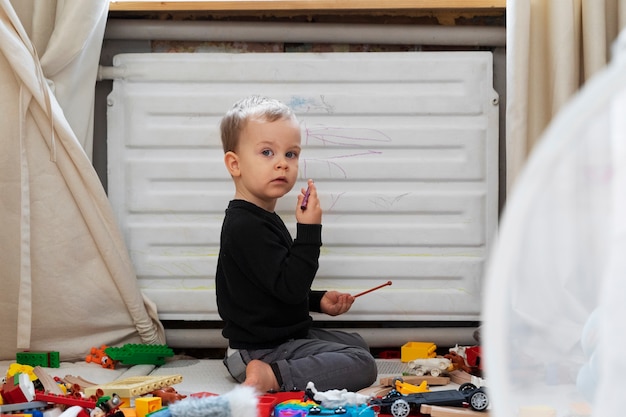
In the ever-evolving landscape of child-rearing, the concept of positive parenting has emerged as a beacon of hope and effectiveness. This approach emphasizes nurturing, encouragement, and respect, fostering healthy relationships between parents and children. By embracing positive parenting techniques, caregivers can significantly enhance their children’s emotional and social development, creating a harmonious family environment. Here are several effective child-rearing practices that can truly make a difference.
Embrace Open Communication
Open communication is one of the cornerstones of successful parenting habits. Children should feel comfortable expressing their thoughts and emotions without fear of judgment or reprimand. Creating a safe space for dialogue encourages children to share their feelings, leading to a deeper understanding of their emotional landscape.
To cultivate open communication, actively listen to your child. Make eye contact, nod in acknowledgment, and refrain from interrupting. Reflecting on what they say validates their feelings and strengthens the parent-child bond. By modeling effective communication, parents empower their children to articulate their thoughts and emotions, a skill essential for lifelong success.
Foster Independence Through Encouragement
Encouraging independence in children is a hallmark of positive parenting techniques. This approach helps children develop confidence and a sense of responsibility. Allowing children to make age-appropriate choices fosters their ability to navigate the world and learn from their experiences.
Start small; let your child pick out their clothes or decide between two snacks. As they grow, involve them in more significant decisions, such as planning family activities. Celebrate their choices, and gently guide them through the consequences of their decisions. This practice cultivates resilience, teaching them that making mistakes is a natural part of growth.
Prioritize Quality Time
In today’s fast-paced world, the significance of quality family time cannot be overstated. Engaging in shared activities strengthens the parent-child relationship, enhancing emotional connection. Whether it’s game night, cooking together, or going for a walk, these moments of togetherness create lasting memories and reinforce family bonds.
During quality time, focus on being present. Put away distractions such as phones and television, and engage fully in the experience. Children thrive on attention and affection, and dedicated time helps them feel valued and understood. This investment in connection paves the way for more open and honest communication in the future.
Implement Positive Reinforcement
Parenting with positivity involves recognizing and rewarding good behavior. Positive reinforcement, such as praise, rewards, or simply acknowledging achievements, motivates children to continue displaying desired behaviors. When children feel appreciated, their self-esteem flourishes, and they are more likely to repeat positive actions.
When using positive reinforcement, be specific about what behavior you are praising. Instead of a vague “Good job,” try saying, “I really appreciate how you shared your toys with your friend.” This specificity helps children understand what they did well and encourages them to continue those behaviors. It fosters a growth mindset, allowing them to see the benefits of their actions.
Set Clear and Consistent Boundaries
Establishing clear boundaries is another vital aspect of effective child-rearing practices. Children thrive when they understand expectations and limits. Consistent boundaries provide a sense of security, helping them navigate the complexities of life.
When setting boundaries, communicate them clearly and explain the rationale behind them. For instance, if you restrict screen time, discuss the importance of balancing technology with physical activity and social interactions. Consistency is key; enforce these boundaries consistently to foster trust and respect. This approach helps children internalize rules and understand their importance.
Model Empathy and Kindness
Children learn by observing the behavior of those around them. As a parent, modeling empathy and kindness sets a powerful example for your child. Demonstrate compassion in everyday interactions, whether with family, friends, or even strangers.
Discuss feelings openly and encourage your child to express their emotions. Ask them how they would feel in certain situations, fostering their ability to empathize with others. Encourage acts of kindness, such as helping a neighbor or volunteering as a family. These practices not only enhance emotional intelligence but also create a compassionate family environment where empathy thrives.
Practice Mindfulness Together
Incorporating mindfulness into family routines can be transformative. Mindfulness practices, such as deep breathing, meditation, or yoga, promote emotional regulation and stress relief. These activities can help children become more aware of their thoughts and feelings, enhancing their ability to cope with challenges.
Set aside time each week for family mindfulness activities. Begin with short sessions, gradually increasing the duration as everyone becomes more comfortable. Discuss the experience afterward, allowing children to share their thoughts and feelings. This practice not only cultivates mindfulness but also strengthens family bonds.
Encourage Problem-Solving Skills
Empowering children to solve their problems fosters independence and critical thinking. Instead of providing immediate solutions, guide them through the process of problem-solving. Ask open-ended questions that prompt them to consider various options and outcomes.
For instance, if your child struggles with a conflict at school, encourage them to think about possible solutions. What could they say to resolve the issue? How might their actions impact others? This practice not only helps them develop problem-solving skills but also instills a sense of agency in their lives.
Conclusion
Incorporating positive parenting practices into daily life can profoundly impact children’s emotional and social development. By embracing open communication, fostering independence, prioritizing quality time, and implementing positive reinforcement, parents can create a nurturing environment where children thrive.
Setting clear boundaries, modeling empathy, practicing mindfulness, and encouraging problem-solving skills further enhance the parent-child relationship. These effective child-rearing practices contribute to a positive family dynamic that nurtures growth, resilience, and connection. As families adopt these successful parenting habits, they lay the foundation for a bright future filled with love, understanding, and mutual respect.