
Home Design Mistakes to Avoid at All Costs
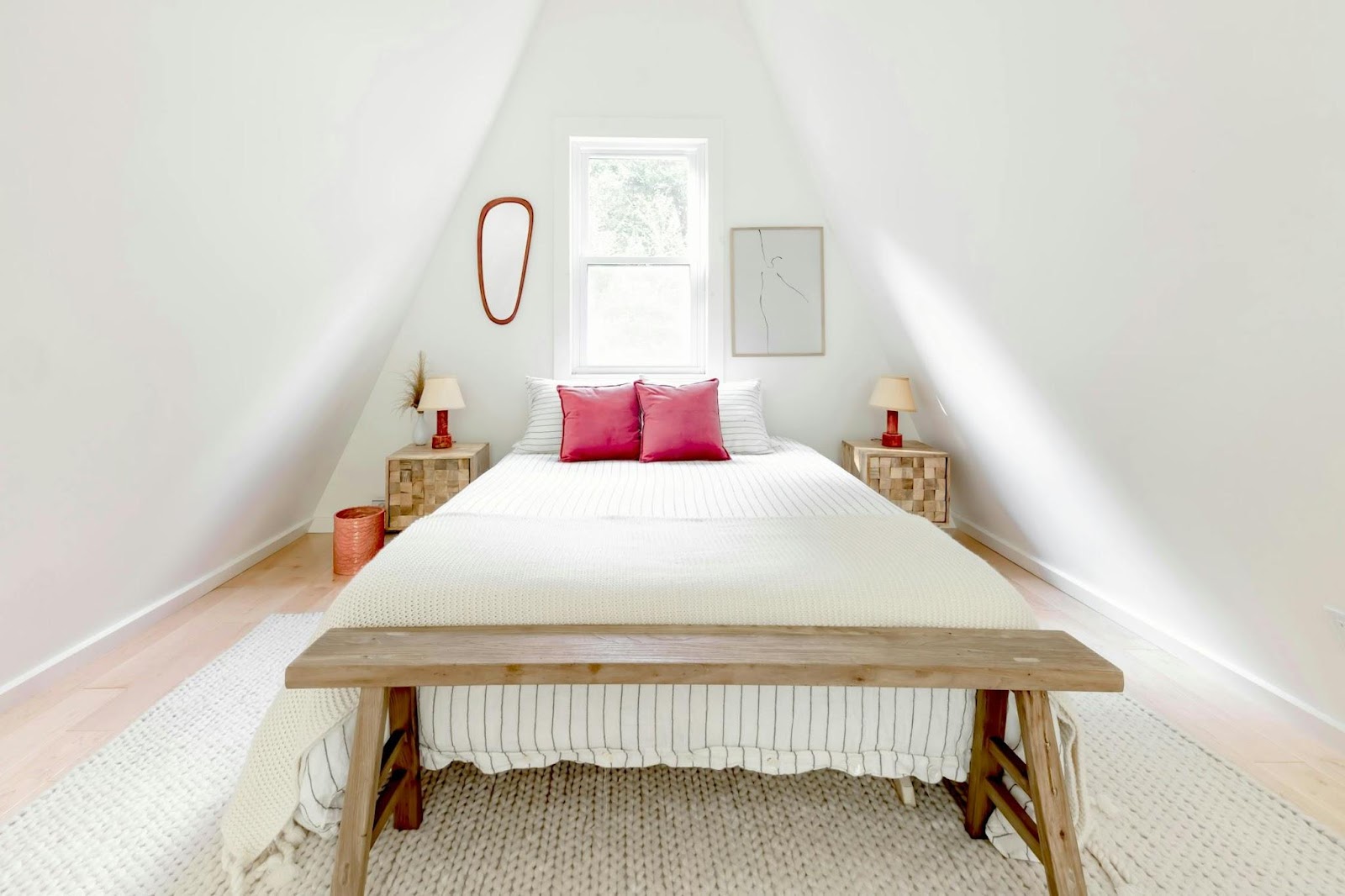
Designing your home can be an exciting and rewarding process, but it also presents a myriad of challenges. From choosing color schemes to picking furniture, even the most experienced homeowners can stumble into some costly errors. While creativity is encouraged, there are certain design mistakes to avoid if you want to ensure a cohesive, comfortable, and stylish living space. Here are some of the most common interior pitfalls to avoid as you embark on your home design journey.
1. Overcrowding Your Space
One of the most frequent home design blunders people make is filling a room with too much furniture. While it’s tempting to pack your space with every piece you love, this can lead to a cluttered and overwhelming environment. Not only does it make moving around difficult, but it also diminishes the aesthetic appeal of your room.
When designing a room, think about balance. Allow for open areas that create a sense of flow and airiness. Be selective with your furniture and accessories, ensuring that each piece has a purpose. Avoid over-decorating shelves, tables, and walls. Minimalism often results in a more relaxing and visually appealing space.
2. Ignoring the Importance of Lighting
Lighting is one of the most critical yet overlooked elements of home design. Many people fall into the trap of depending solely on overhead lighting, which can create harsh shadows and an unwelcoming atmosphere. It’s a common design error that can drastically alter the mood of your home.
Instead, opt for a layered lighting scheme. Use a combination of overhead lights, table lamps, floor lamps, and wall sconces to create warmth and depth. Natural light should also be maximized, so avoid heavy curtains or drapes that block out daylight. A well-lit home is not only more functional but also more inviting.
3. Choosing Aesthetics Over Functionality
While we all want our homes to look magazine-worthy, it’s crucial to remember that functionality should never be sacrificed for appearance. This is another significant interior pitfall to avoid. For instance, that gorgeous, ultra-modern sofa might look great in the showroom, but is it comfortable enough for everyday use? Similarly, sleek cabinetry that lacks storage will only lead to frustration down the line.
When designing your space, always ask yourself how you’ll be using each room. Choose pieces that are not only beautiful but also practical. Consider storage, durability, and comfort. A well-designed home should serve both form and function.
4. Skipping the Planning Phase
Diving into home design without a clear plan is a recipe for disaster. Many homeowners are eager to start buying furniture and decor without taking the time to think about the bigger picture. This often leads to mismatched styles, overcrowded spaces, and regretful purchases.
Before you start any project, take the time to plan thoroughly. Measure your space, create mood boards, and think about how you want each room to feel. This prevents home design blunders like purchasing furniture that’s too large or small for your space, or choosing colors that clash with one another.
5. Neglecting Scale and Proportion
Scale and proportion are fundamental principles of design, yet they are often neglected. Placing oversized furniture in a small room can make the space feel cramped, while undersized furniture in a large room can look awkward and incomplete. This is a key design mistake to avoid if you want your home to feel balanced and harmonious.
When selecting furniture and decor, always consider the size of your room. Larger rooms can handle bolder pieces, while smaller rooms should feature more delicate and appropriately scaled items. Pay attention to the proportions of furniture in relation to each other as well to create a cohesive look.
6. Overlooking Storage Solutions
Clutter is the enemy of good design. One of the biggest home design blunders is underestimating the importance of storage. Many people get caught up in choosing beautiful furniture and finishes, forgetting that a functional home needs adequate storage to stay organized.
Incorporate smart storage solutions into your design from the start. Consider built-in shelves, multi-purpose furniture, and hidden storage spaces to keep your home looking tidy and stylish. A well-organized space is not only more visually appealing but also makes everyday living much more comfortable.
7. Being Too Trend-Driven
While it’s fun to incorporate the latest trends into your home, relying too heavily on fads can backfire. Trends come and go, and what looks stylish today might seem outdated in just a few years. Falling into the trap of overly trend-focused designs is a common design error.
To avoid this, stick to classic, timeless pieces for larger investments such as furniture and flooring. You can then incorporate trendy accents like throw pillows, rugs, and art that are easy to update when styles change. This allows you to keep your home fresh without the need for major renovations every few years.
8. Disregarding the Flow Between Rooms
Another critical interior pitfall to avoid is designing each room in isolation without considering the overall flow of the home. While each space can have its own personality, there should be a sense of continuity throughout your home. Drastically different color schemes, materials, or styles from room to room can create a jarring and disjointed experience.
Create cohesion by using a consistent color palette or repeating certain design elements like textures and materials. This ensures that your home feels unified and well thought-out, rather than a collection of separate, unrelated spaces.
9. Underestimating the Power of Paint
Paint is one of the most powerful tools in home design, yet many people underestimate its impact. Choosing the wrong color can make a room feel too dark, too bright, or out of sync with the rest of the home. This is a design mistake to avoid that can easily derail the ambiance you’re trying to create.
When selecting paint colors, consider the mood you want to set in each room. Light, neutral tones can make small spaces feel larger, while bold, darker shades can add drama to larger areas. Always test paint samples on your walls before committing to a color, as lighting can drastically affect how a color appears in different spaces.
Conclusion
Designing your home is a deeply personal process, but avoiding these common design errors can help you create a space that’s both beautiful and functional. By being mindful of scale, planning ahead, and prioritizing both aesthetics and functionality, you can avoid the home design blunders that many homeowners make. Thoughtful design will not only make your home look better but also improve how it feels to live in.