Enhancing Dairy Production: The Role of Microbial Supplements in Dairy Cows
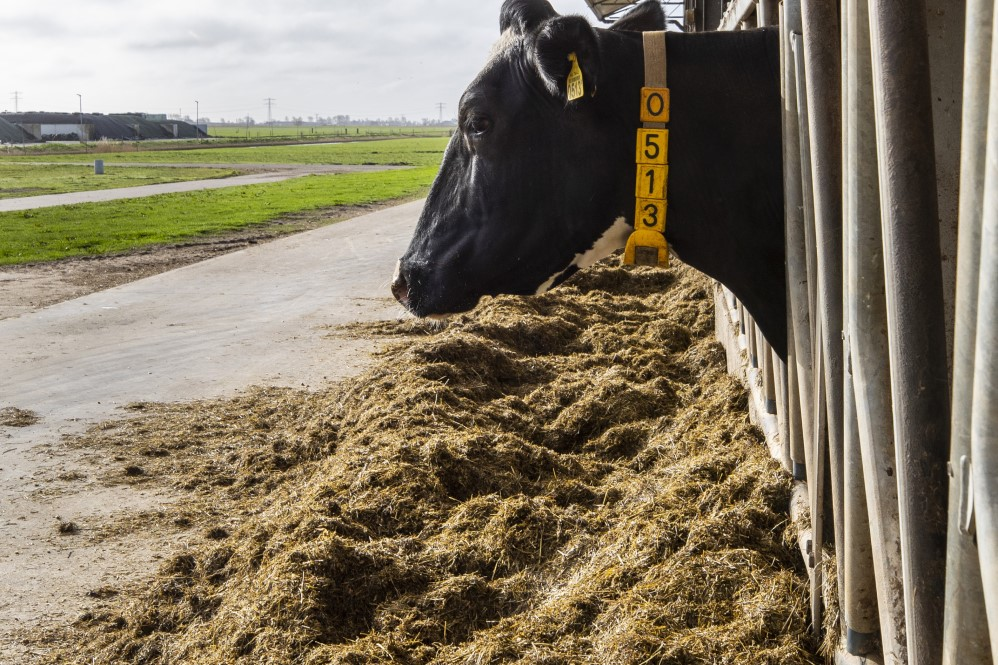
Dairy farming is a crucial sector of agriculture, contributing significantly to food production and rural economies worldwide. With the increasing demand for high-quality dairy products, farmers are constantly seeking innovative ways to enhance milk production and improve herd health. One promising approach is the use of dairy cow microbial supplements, which have garnered attention for their potential to optimize digestion, boost immunity, and ultimately enhance overall dairy productivity.
Understanding Dairy Cow Microbial Supplements
Dairy cow microbial supplements refer to a range of products that contain live microorganisms, such as bacteria and yeasts, intended to promote health and productivity in dairy cows. These supplements are formulated to support the natural gut microbiota, improve nutrient absorption, and enhance metabolic functions. The primary types of microorganisms used in these supplements include probiotics, prebiotics, and synbiotics.
- Probiotics are live beneficial bacteria that, when administered in adequate amounts, confer health benefits to the host. Common strains used in dairy cow supplements include Lactobacillus, Bifidobacterium, and Saccharomyces.
- Prebiotics are non-digestible food ingredients that promote the growth and activity of beneficial gut bacteria. They serve as a food source for probiotics, helping to create a balanced gut environment.
- Synbiotics combine both probiotics and prebiotics, aiming to enhance the efficacy of the beneficial microorganisms by ensuring they have the nutrients needed to thrive.
Benefits of Dairy Cow Microbial Supplements
The incorporation of dairy cow microbial supplements into feed regimes offers several potential benefits:
1. Improved Digestive Health
One of the primary functions of microbial supplements is to enhance digestive health in dairy cows. A healthy gut microbiota is essential for effective digestion and nutrient absorption. Microbial supplements can help maintain a balanced microbial population in the rumen, preventing issues such as acidosis and other digestive disorders. This, in turn, leads to better feed conversion efficiency and increased milk production.
2. Enhanced Milk Production
Research indicates that the use of dairy cow microbial supplements can positively impact milk yield and quality. By improving digestion and nutrient absorption, these supplements ensure that cows receive maximum benefits from their feed. Studies have shown that dairy cows receiving probiotics and prebiotics can produce more milk with improved components, such as fat and protein levels, enhancing the economic viability of dairy operations.
3. Boosted Immune Function
A healthy gut microbiome plays a critical role in the immune response of dairy cows. By promoting the growth of beneficial microorganisms, dairy cow microbial supplements can enhance the immune system, making cows more resilient to diseases. This is particularly important in high-stress environments, such as during lactation or transport. Enhanced immunity not only leads to healthier cows but can also reduce veterinary costs associated with treating infections and illnesses.
4. Stress Management
Dairy cows often face various stressors, including changes in diet, environmental conditions, and management practices. These stressors can negatively impact their health and productivity. Microbial supplements can help mitigate stress by promoting a stable gut environment, which is essential for optimal health. Moreover, some studies suggest that certain probiotics may help reduce stress-related behaviors, contributing to improved overall welfare.
5. Environmental Sustainability
The use of dairy cow microbial supplements can also contribute to more sustainable dairy farming practices. Improved digestion and nutrient absorption lead to better feed efficiency, which can reduce the overall feed required per unit of milk produced. This not only minimizes the environmental impact associated with feed production but also helps lower the carbon footprint of dairy operations. Additionally, healthier cows are likely to produce less waste and lower greenhouse gas emissions.
Implementation of Microbial Supplements in Dairy Farming
Incorporating dairy cow microbial supplements into a dairy farm’s feeding program should be done strategically. Farmers should consider the following steps:
1. Consultation with Experts
Farmers should work with nutritionists and veterinarians to select the appropriate microbial supplements for their specific herd needs. Understanding the unique characteristics of the farm’s environment and cow health is crucial for effective implementation.
2. Monitoring and Evaluation
Once microbial supplements are introduced, it is essential to monitor their impact on cow health, milk production, and overall herd performance. Regular evaluation allows farmers to make necessary adjustments to the supplementation regimen to optimize results.
3. Education and Training
Farmers and farm staff should be educated about the benefits and proper use of dairy cow microbial supplements. Understanding how these supplements work and their role in the overall health of the herd can encourage more effective implementation.
Conclusion
Dairy cow microbial supplements represent a valuable tool for dairy farmers aiming to enhance production efficiency, cow health, and sustainability. By improving digestive health, boosting milk production, and supporting the immune system, these supplements can play a significant role in meeting the growing demand for high-quality dairy products. As the dairy industry continues to evolve, the integration of innovative solutions like microbial supplements will be crucial in ensuring the long-term success of dairy farming.